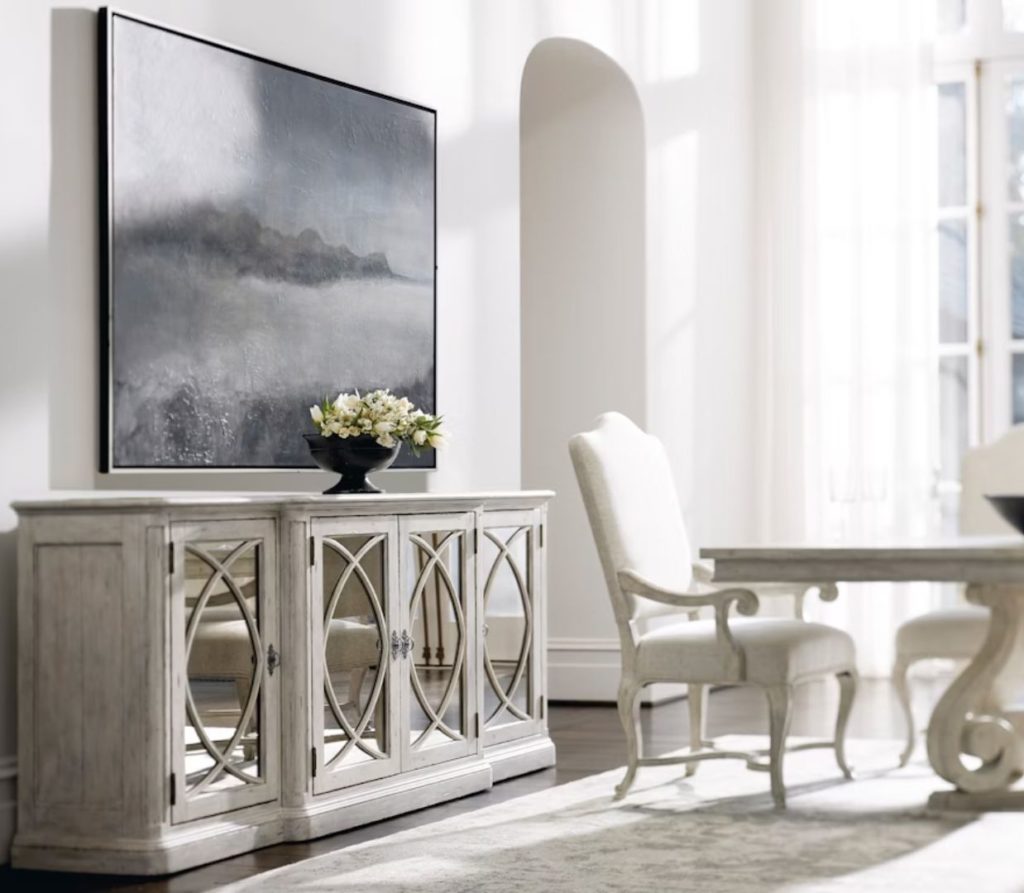
You can feel it the moment your hand touches the surface — the weight, the balance, the quiet confidence of a piece built to last. True furniture doesn’t just fill a space; it becomes part of a family’s story. But how can you tell what will endure and what will fade after a few short years?
Why Most Modern Furniture Doesn’t Last
Walk through any big-box furniture retailer or browse online catalogs, and you’ll notice a trend: pieces that look beautiful at first glance but often disappoint after a few years. This isn’t by accident.
Mass production prioritizes speed and cost over longevity. Thin veneers are glued to particleboard or medium-density fiberboard (MDF), lightweight frames are stapled together, and finishes are sprayed on in minutes. These shortcuts mean faster turnover — but not lasting comfort.
By contrast, true heirloom-quality furniture is crafted from solid hardwoods, with strong joinery and hand-applied finishes. It’s built not just to survive everyday life, but to grow more beautiful over time.
What Makes Furniture ‘Heirloom Quality’
Heirloom quality furniture is more than just a marketing phrase — it’s a standard of design and construction meant to last for decades or even centuries. At its heart are three key elements:
- Exceptional Materials: Only the most resilient hardwoods, like oak, walnut, or maple, are chosen for their durability and beauty. Each board is kiln-dried, a process that removes excess moisture and prevents warping or cracking over time.
- Timeless Craftsmanship: Methods like mortise-and-tenon or dovetail joinery connect wood pieces without relying on glue or staples. These techniques have been used for centuries and are a hallmark of lasting construction.
- Hand-Finished Details: Instead of fast machine finishes, skilled artisans hand-rub oils or waxes into the wood, creating a surface that’s both tactile and protective. This care is what gives heirloom pieces their unmistakable touch.
True heirloom furniture begins with craftsmanship you can feel — in every joint, grain, and finish. At Mark Thomas Home, we see hundreds of pieces each season and only select those with proven craftsmanship and lasting value. Our Agoura Hills showroom features indoor and outdoor collections chosen for both their resilience and timeless California design.
Materials That Stand the Test of Time
Solid Hardwood vs Veneer
Not all wood furniture is created equal. Solid hardwood means the entire piece is made from a single species — like American walnut, white oak, or maple — known for its strength and natural beauty. By contrast, veneer furniture uses a thin layer of real wood over a core of particleboard or MDF. While some quality veneers can be beautiful, they rarely match the durability or aging potential of solid hardwood.
According to experts at The Wood Database, species such as teak, mahogany, and cherry are prized for their resistance to wear, moisture, and insects. That’s why a teak outdoor table, for example, can develop a beautiful silvery patina over decades, while particleboard begins to swell and break down with exposure.
Examples of Durable Woods:
- Walnut: Deep color, excellent for both modern and traditional designs.
- Oak: Classic grain, resists denting and wear.
- Maple: Smooth texture, ideal for dressers and cabinetry.
- Teak: Outstanding for outdoor use due to natural oils.
- Cherry: Ages with a rich, warm patina.
When you shop for heirloom-grade sofas and chairs or solid-wood tables built to last decades, always ask for the wood species and whether the construction is solid or veneered. Weight is another indicator: real hardwood pieces have a satisfying heft.
Craftsmanship and Joinery You Can Trust
The invisible details often make the biggest difference in how furniture ages. Joinery — the method by which two pieces of wood are connected — is a telltale sign of true craftsmanship.
Essential Joinery Types:
- Mortise-and-Tenon: A tongue (tenon) fits snugly into a slot (mortise), creating a connection that’s both strong and flexible. It’s commonly used in chair and table frames.
- Dovetail: Interlocking “tails” and “pins” at corners, especially in drawers. This technique prevents pulling apart over time.
- Finger Joints: Used for longer boards, providing stability and reducing waste.
Hand-applied finishes complete the story. A hand-rubbed oil or wax not only protects the wood but also allows the grain’s natural depth to emerge. Unlike sprayed lacquers, these finishes can be renewed and repaired, ensuring lasting beauty.
At Mark Thomas Home, we inspect every piece for these signs of generational craftsmanship. For example, our handcrafted bedroom furniture features solid joints and carefully aligned grain details that matter as much as the design itself. In our timeless office designs that age gracefully, you’ll see the same commitment to longevity.
Ready to experience the difference? Visit our Agoura Hills showroom to see handcrafted collections in person.
How to Choose Pieces Built for Generations
Choosing heirloom-quality furniture doesn’t require a woodworking degree. Start with this checklist for your next showroom visit or design consultation:
1. Check the Material Label
Look for clearly listed wood species such as solid maple, oak, or American walnut. Ask whether the wood has been kiln-dried for stability. For sustainability, look for the Forest Stewardship Council (FSC) certification, which indicates responsibly sourced hardwoods.
2. Examine the Joinery
Open drawers and inspect the corners. Dovetail joints signal precision craftsmanship. For tables and chairs, look for mortise-and-tenon construction, which provides strength and longevity. Avoid pieces held together only with staples or visible screws.
3. Feel the Finish
Run your hand across the surface. A hand-rubbed finish feels smooth and natural, allowing the grain to breathe. Machine-applied coatings often feel plastic or overly slick, masking the wood’s character.
4. Test the Weight and Stability
Lift one side of the piece slightly. Heirloom furniture carries a reassuring weight from solid wood and dense joinery. Sit or lean gently; well-made furniture should feel balanced and silent.
5. Ask About the Warranty
Respected makers stand behind their craftsmanship with meaningful warranties. A five- or ten-year guarantee is a sign of confidence in both materials and construction.
6. Consider How It Ages
Certain woods, such as cherry and teak, develop richer tones over time. A well-made piece gains character as it develops a soft patina, becoming more beautiful with age.
7. Inspect the Details
Quality reveals itself in the finishing touches—hardware, pulls, hinges, and inlays that align seamlessly with the design. These small elements reflect care and artistry.
If you’re ever uncertain, ask questions. A trusted showroom will take pride in explaining how each piece is made, helping you invest in furniture that feels as enduring as it looks.
Frequently Asked Questions
What defines heirloom-quality furniture?
Heirloom-quality furniture combines solid hardwood construction, expert joinery like mortise-and-tenon or dovetail, hand-applied finishes, and a design that remains relevant for decades. It’s not just about looks, but about the materials and workmanship that allow a piece to be enjoyed for generations.
How can I tell if furniture is solid wood or veneered?
Check edges and corners — solid wood shows consistent grain and texture, while veneers reveal a thin layer over a different core. Open drawers or look underneath tables for clues. Solid hardwood pieces are heavier and often labeled by species.
Which woods last the longest for indoor furniture?
Oak, walnut, maple, cherry, and mahogany are among the most durable woods. Each resists wear and develops a richer appearance with age. Teak is excellent for outdoor use due to its natural oils.
Does price always equal quality?
Not always. While quality materials and craftsmanship add cost, some expensive pieces rely solely on design or brand name. Always inspect materials, joinery, and finish — these reveal true value beyond price tags.
How should I care for heirloom pieces to make them last?
Keep furniture out of direct sunlight and away from extreme humidity. Use a soft, damp cloth to clean and refresh hand-applied finishes with natural oils as needed.
Invest in Furniture Worth Passing Down
The journey to a home filled with enduring, timeless design begins with understanding what sets heirloom quality furniture apart from the rest. It’s the weight of solid hardwood, the security of dovetail joints, the warmth of a hand-rubbed finish, and the comfort of knowing your investment will serve not just you, but generations to come.
At Mark Thomas Home, we believe every room deserves furniture that tells a story — crafted with care, designed for California living, and selected for a lifetime of beauty. Whether you’re seeking a show-stopping dining table, a bedroom suite to anchor your sanctuary, or the perfect finishing touches, our Agoura Hills showroom is your destination for heirloom-quality design.
Ready to experience craftsmanship you can trust? Schedule a personal design consultation and discover pieces that stand the test of time.