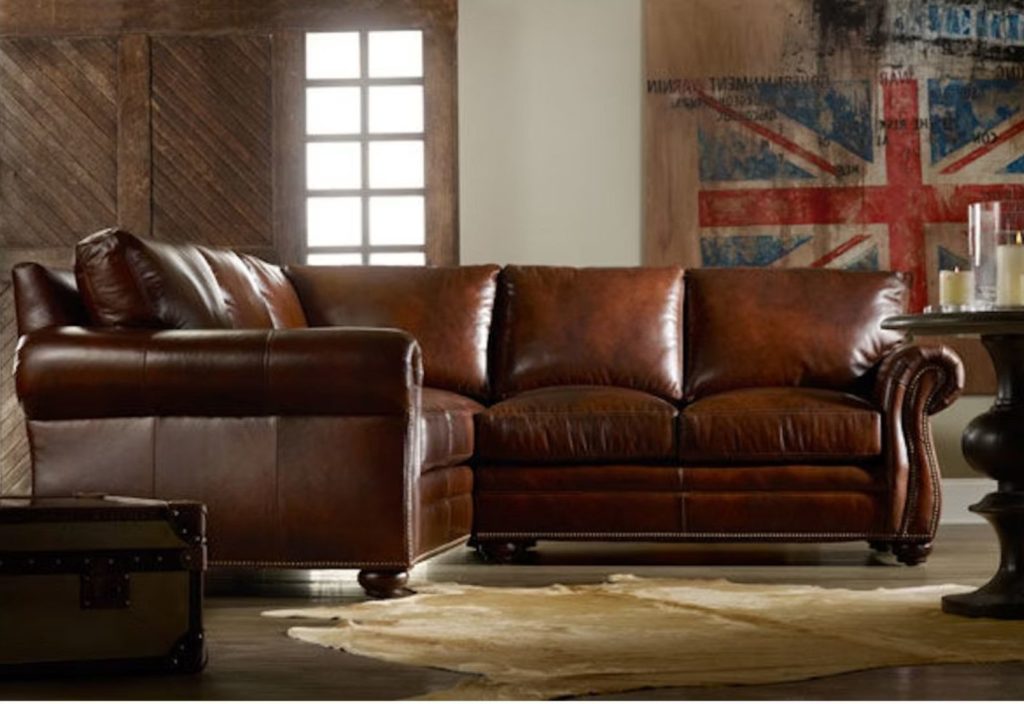
The materials in your furniture determine far more than appearance. They influence durability, comfort, maintenance requirements, and long-term value. Understanding these materials helps you make confident decisions when investing in pieces that will serve your home for decades.
This guide examines the three primary material categories in luxury furniture: wood, leather, and fabric. Each offers distinct advantages depending on your lifestyle, aesthetic preferences, and practical needs.
Why Materials Matter in Fine Furniture
When you sit on a sofa, run your hand across a dining table, or open a dresser drawer, you are experiencing the direct result of material choices made during design and construction. Fine furniture Agoura Hills showrooms showcase pieces where material quality becomes immediately apparent through both visual appeal and tactile experience.
Quality materials age gracefully. A well-constructed, solid wood table develops character over the years of family dinners. Full-grain leather softens and develops a patina that tells the story of comfortable evenings spent reading or conversing. Premium fabrics maintain their structure and appearance through years of daily use.
Understanding material quality also protects your investment. Knowing what distinguishes genuine quality from superficial appearance helps you recognize pieces worth their price and avoid disappointing purchases that deteriorate quickly.
Understanding Wood in Furniture Construction
Wood remains the foundation of most quality furniture. The type of wood and its use significantly impact a piece’s durability, appearance, and value.
Solid Hardwood Construction
Solid hardwood furniture uses lumber cut from trees such as oak, walnut, cherry, maple, and mahogany. These dense woods resist denting and scratching while providing the structural integrity needed for pieces that will see daily use over many years.
Solid wood can be sanded, refinished, and repaired. A solid oak dining table that shows wear after twenty years can be refinished to look new, then passed down for another generation of use. This longevity makes solid hardwood furniture a genuine investment rather than a temporary purchase.
Different wood species offer distinct characteristics. Oak provides exceptional durability with prominent grain patterns. Walnut offers rich, dark tones that deepen over time. Cherry develops a warm patina as it ages. The choice depends on both aesthetic preference and intended use.
Quality Veneer Applications
Veneer involves applying thin slices of decorative wood over a stable core material. While sometimes dismissed as inferior, quality veneer serves legitimate purposes in fine furniture construction.
High-quality veneer allows furniture makers to create beautiful patterns impossible with solid wood, including book-matching (where sequential veneer slices are opened like a book to create mirror images) and other decorative techniques. Veneer also provides dimensional stability, making the piece less likely to warp or crack with changes in humidity.
The key distinction lies in what the veneer covers. Quality furniture uses veneer over stable hardwood or high-grade plywood cores. Lesser furniture applies veneer over particleboard or medium-density fiberboard, which cannot be repaired if damaged and typically has a shorter lifespan.
When evaluating veneered pieces, ask about the core material and veneer thickness. A quality veneer, thick enough to be lightly sanded and refinished, indicates furniture built for longevity.
Construction Details That Indicate Quality
Beyond the wood itself, examine how pieces are assembled. Quality furniture uses joinery techniques such as mortise-and-tenon joints, dovetail joints in drawers, and corner blocks for reinforcement. These construction methods have proven their durability over centuries.
Drawers should slide smoothly on quality hardware or wooden runners. Doors should hang evenly and close properly. These details indicate the care taken throughout the manufacturing process.
Leather Grades and Quality Indicators
Leather furniture represents a significant investment, and understanding leather grades helps ensure you receive value proportional to your expenditure.
Full-Grain Leather
Full-grain leather represents the highest quality available. It uses the complete outer surface of the hide, including all natural grain and markings. Because only the finest hides can become full-grain leather, it commands premium prices.
The surface of full-grain leather has not been sanded or buffed to remove imperfections. This preserves the leather’s natural strength and allows it to breathe naturally. Over time, full-grain leather develops a patina, a soft sheen that results from natural oils and regular use that many consider the hallmark of quality leather.
Full-grain leather’s natural characteristics mean each piece is unique. Minor variations, healed scars, and grain patterns distinguish genuine full-grain leather from processed alternatives.
Top-Grain Leather
Top-grain leather is the second-highest grade. The surface has been lightly sanded or buffed to remove imperfections, and an artificial grain may be embossed to achieve a more uniform appearance.
This processing makes top-grain leather more consistent in appearance than full-grain while still offering good durability. The sanding does remove some of the leather’s strongest fibers, making it slightly less durable than full-grain, though it remains a quality material suitable for furniture expected to last many years.
Top-grain leather is often easier to care for because it typically receives a protective finish that helps resist stains. This makes it practical for households with children or pets.
Aniline and Semi-Aniline Finishes
These terms describe how the leather is dyed rather than its grade. Aniline leather is dyed with transparent dyes that allow the natural surface to show through completely. Only the most flawless hides qualify for aniline treatment.
Semi-aniline leather receives a light protective coating, along with transparent dyes. This provides some stain resistance while still allowing natural characteristics to show.
What to Avoid
Terms like “genuine leather” or “bonded leather” often indicate lower quality. Genuine leather technically means the product contains real leather, but this designation is commonly applied to lower-grade materials from inner hide layers. Bonded leather is made from leather scraps and fibers held together with adhesive, and it does not offer the durability or aging characteristics of higher-grade leathers.
When shopping for leather furniture for your living room, ask specifically about the leather grade and finish type. Reputable retailers can explain exactly what you are purchasing.
Fabric Types and Performance Characteristics
Fabric selection involves balancing aesthetics, comfort, durability, and practicality. The right choice depends heavily on how and where the furniture will be used.
Natural Fiber Fabrics
Cotton, linen, and wool have furnished homes for centuries. These natural materials offer excellent breathability and comfort, creating furniture that feels pleasant in both warm and cool conditions.
Cotton provides soft comfort and takes dye well, allowing for extensive color options. Linen offers a distinctive texture and natural luster, though it wrinkles more readily than synthetic alternatives. Wool provides natural resilience and resistance to soiling, though it requires more careful cleaning.
Natural fibers generally require more maintenance than synthetics. They may be more susceptible to staining and fading, making them better suited for formal living spaces or homes without young children or pets.
Performance Fabrics
Modern performance fabrics have transformed upholstery options for busy households. These engineered textiles resist stains, clean easily, and maintain their appearance through heavy use.
Solution-dyed fabrics have color integrated into the fiber itself rather than applied to the surface. This makes the color extremely resistant to fading from sunlight or bleaching from cleaning products.
Many performance fabrics are now designed to feel as soft and natural as traditional textiles while offering superior durability. Brands like Sunbrella, Crypton, and Revolution have developed fabrics specifically for residential furniture that combine comfort with practicality.
Fabric Weight and Construction
Heavier fabric weights generally indicate greater durability. Fabric density, measured in threads per inch, affects both appearance and longevity. Tightly woven fabrics resist pilling and wear better than loosely woven fabrics.
The fabric backing also matters. Quality upholstery fabrics often have backing that adds stability and helps the fabric maintain its shape over years of use.
Matching Fabric to Lifestyle
A formal living room rarely used by children might feature delicate silk or linen beautifully. A family room that hosts daily activities needs a performance fabric that can withstand spills and frequent cleaning. A bedroom might prioritize softness and comfort over extreme durability.
Consider who uses the furniture, how often, and what activities occur nearby. Then select fabrics appropriate for those conditions rather than choosing based solely on appearance.
Evaluating Quality In Person
Reading about materials provides valuable background, but evaluating furniture requires hands-on examination. Visiting a showroom where you can see, touch, and compare pieces reveals quality in ways photographs cannot.
Sit on upholstered pieces. Quality cushioning supports you without bottoming out, keeping you comfortable rather than stiff. Stand up and watch how quickly the cushion recovers its shape.
Examine wood surfaces closely. Quality finishing should be smooth and even, with grain visible through the topcoat on natural wood pieces. Open drawers and doors to check hardware operation and interior finishing.
Ask questions about materials and construction. Knowledgeable sales staff at quality furniture stores can explain exactly what materials are used and why. If a retailer cannot or will not answer specific questions about materials, consider that a warning sign.
Working with professional interior design services provides another advantage. Designers have extensive experience evaluating furniture quality and can identify pieces offering genuine value for their price.
Caring for Quality Materials
Investment in quality materials pays dividends only with appropriate care. Each material type has specific maintenance requirements.
Wood Care
Dust regularly with a soft cloth. Avoid placing wood furniture in direct sunlight, which can cause fading and drying. Use coasters and placemats to protect surfaces from moisture and heat. Periodically apply appropriate wood polish or conditioner based on the finish type.
Leather Care
Dust leather regularly and wipe with a slightly damp cloth as needed. Condition leather every six to twelve months with products appropriate for your leather type (aniline leather requires different care than protected leather). Keep leather furniture away from direct heat sources and sunlight.
Fabric Care
Vacuum upholstered furniture regularly to remove dust and prevent soil from grinding into fibers. Address spills immediately using appropriate cleaning methods for the fabric type. Check the manufacturer’s recommendations for cleaning codes (W for water-based cleaners, S for solvent-based cleaners, WS for either, X for professional cleaning only).
Frequently Asked Questions
How can I tell if furniture uses solid wood or veneer?
Examine edges and unexposed surfaces. Solid wood shows continuous grain around edges and on undersides. Veneer shows a thin layer of decorative wood over a different material at the edges, and the undersides may show plywood layers or a different material entirely. Reputable retailers will directly answer questions about construction.
Is top-grain leather a good choice for a family with children?
Top-grain leather with a protective finish works well for active households. The protective coating helps resist stains while the leather remains durable enough for daily use. Full-grain leather without protective finishing may show wear and staining more readily, though some families appreciate the character this adds over time.
What fabric is best for a sofa used daily?
Performance fabrics with high rub counts (a measure of durability) work best for heavily used sofas. Look for fabrics rated at 30,000 double rubs or higher. Solution-dyed fabrics offer excellent colorfastness. Many performance fabrics now offer soft, natural textures that feel comfortable while being easy to maintain.
How do I know if a furniture retailer offers genuine quality?
Quality retailers can answer detailed questions about materials, construction methods, and manufacturers. They offer pieces from reputable brands with established track records. They welcome you to take your time examining the pieces closely rather than pressuring quick decisions. Their staff has genuine knowledge rather than just sales training.
Experience Materials in Person
Understanding materials intellectually prepares you for furniture shopping, but nothing replaces direct experience. Touching different leather grades reveals their distinct characteristics. Sitting on various cushion constructions demonstrates how materials affect comfort. Examining wood pieces up close reveals the quality of construction.
Mark Thomas Home has served Southern California families since 1957, helping generations select furniture built to last. Our 35,000 square foot Agoura Hills showroom displays fine furniture that Agoura Hills residents can evaluate firsthand, with knowledgeable staff ready to explain materials and construction.
Visit us at 28448 Roadside Drive, Agoura Hills, or call (818) 991-4800 to discuss how we can help you find pieces with the quality materials your home deserves. You can also explore room possibilities with our room planner tool before your visit.